Building a Strong Brand Narrative

A strong brand narrative is essential for businesses looking to stand out in today’s crowded market. It goes beyond logos and slogans, telling a cohesive and compelling story that resonates with customers on a deeper level. Here are some tips on developing a compelling and consistent brand narrative.
Define Your Core Values and Mission

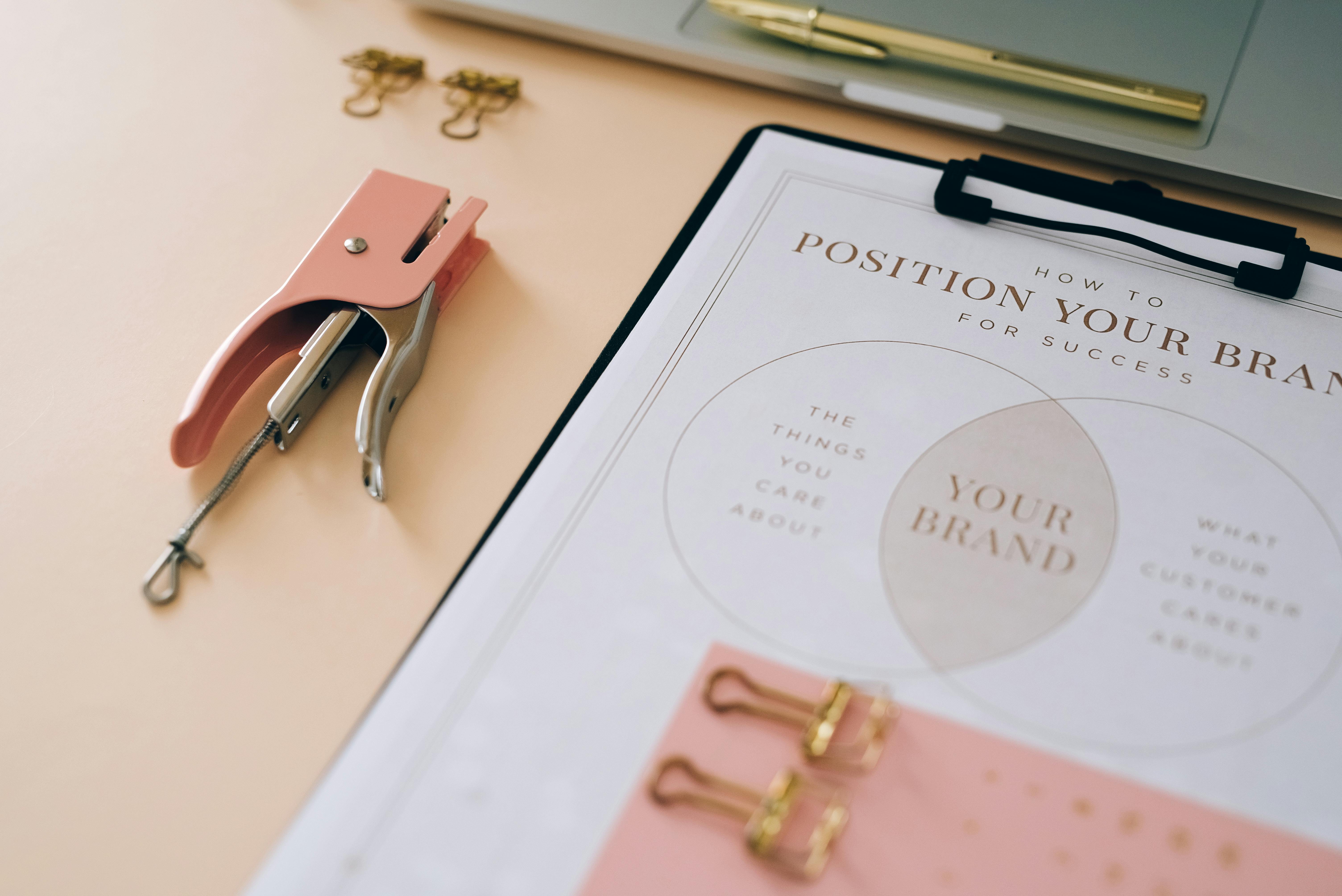
Start by clearly defining your core values and mission. These elements form the foundation of your brand narrative, guiding your storytelling efforts. Ask yourself: What does your brand stand for? What can my brand authentically own? What are its long-term goals? For example, if sustainability is a core value, ensure it is woven into every aspect of your narrative.

Know Your Audience

Understanding your audience is crucial. Conduct research to identify their needs, preferences, and pain points. Tailor your brand narrative to address these aspects, making it relevant and relatable. When your audience sees themselves in your story, they are more likely to connect with your brand on an emotional level.

Create a Unique Brand Voice – That is Relatable

Develop a unique brand voice that reflects your company’s personality – but also humanizes your brand. Whether it’s formal, friendly, quirky, or authoritative, consistency in tone is key. Your brand voice should be evident across all platforms — website, social media, marketing materials — creating a unified and recognizable presence.

Craft a Compelling Origin Story

Share the story of how your brand came to be. Every brand has a story – this helps to humanize your brand, making it more relatable. Highlight the challenges, the milestones achieved, and the passion driving your business. This authenticity can foster trust and loyalty among customers.

Use Visual Storytelling

Incorporate visuals to enhance your narrative. Images, videos, and infographics can make your story more engaging and memorable. Consistent visual elements, like color schemes and logos, help reinforce your brand identity and ensure your narrative is easily recognizable.

Stay Consistent

Consistency is key in maintaining a strong brand narrative. Ensure that your story is consistently communicated across all channels and touchpoints. This includes your website, social media, customer service interactions, and marketing campaigns. A consistent narrative builds credibility and helps establish a strong brand identity.

The Power of Visual Storytelling in Brand Building

In the ever-evolving landscape of marketing, visual storytelling has emerged as a powerful tool for brand building. It goes beyond traditional marketing methods by engaging audiences on an emotional level, fostering deeper connections, and enhancing brand identity. Visual storytelling harnesses the power of images, videos, infographics, and other visual elements to communicate a brand’s message compellingly and memorably. Here’s how I feel visual storytelling can elevate brand identity and captivate audiences more effectively.

1. Creating Emotional Connections

At the heart of effective visual storytelling is the ability to evoke emotions. Humans are inherently visual creatures, and we process images 60,000 times faster than text. Visual elements can evoke feelings of joy, sadness, inspiration, or nostalgia, creating an emotional bond between the brand and its audience. This emotional connection can lead to increased brand loyalty and customer retention. For example, Nike’s iconic “Just Do It” campaign uses powerful visuals of athletes overcoming obstacles, inspiring viewers and creating a strong emotional connection with the brand’s message of perseverance and achievement.

2. Simplifying Complex Messages

Visual storytelling allows brands to simplify complex messages and present them in an easily digestible format. Infographics, for instance, can turn intricate data into visually appealing graphics that are easy to understand. This not only aids in better comprehension but also makes the content more shareable. A brand that effectively uses visual storytelling can communicate its values, mission, and benefits succinctly, making it easier for the audience to grasp and remember.

3. Enhancing Brand Recall and Recognition

Consistent use of visual storytelling elements, such as color schemes, logos, and imagery, can significantly enhance brand recall and recognition. When audiences repeatedly see the same visual elements associated with a brand, they are more likely to remember and recognize it. This consistency helps to reinforce the brand’s identity and ensures that it stands out in a crowded market. For instance, Coca-Cola’s use of its distinctive red color and classic logo in all its visual content has made it one of the most recognizable brands globally.

4. Engaging and Captivating Audiences

Visual content is inherently more engaging than text-based content. Videos, images, and graphics can capture the audience’s attention quickly and hold it for longer periods. This is particularly important in today’s fast-paced digital world, where the average attention span is shrinking. Brands that utilize visual storytelling effectively can create content that not only grabs attention but also keeps the audience engaged, encouraging them to interact with the brand. Social media platforms like Instagram and Pinterest thrive on visual content, offering brands the perfect venues to tell their stories visually.

5. Building Trust and Credibility

Authentic visual storytelling can help build trust and credibility with the audience. By showcasing real-life stories, customer testimonials, and behind-the-scenes content, brands can present themselves as transparent and trustworthy. This authenticity resonates with audiences, making them more likely to trust the brand and its products or services. For example, brands like Airbnb use user-generated content to tell authentic stories of travel experiences, building trust with potential customers. One of my favorite ads was from Visit Las Vegas, they authentically own the fact that they are not a family-friendly destination — they are an adult-freedom destination.

6. Driving Conversions and Sales

Ultimately, effective visual storytelling can drive conversions and sales. Compelling visuals can guide the audience through the buyer’s journey, from awareness to consideration to decision-making. High-quality images and videos of products can showcase their features and benefits, enticing potential customers to make a purchase. Additionally, visual storytelling can highlight customer success stories and case studies, providing social proof and encouraging others to follow suit.

So – visual storytelling is a powerful tool in brand building, offering numerous benefits from creating emotional connections and simplifying complex messages to enhancing brand recall and driving engagement. By leveraging the power of visual elements, brands can tell their stories more effectively, foster deeper connections with their audiences, and ultimately achieve greater success in the market. Embracing visual storytelling is not just an option but a necessity in today’s digital age.

Why Personal Branding Matters

In today’s digital age, personal branding has become essential for professionals looking to stand out in their careers, no matter the industry. Whether you are an entrepreneur, a job seeker, or a professional aiming for career advancement, a strong personal brand can differentiate you from the competition and establish your credibility.

Why It Matters

Personal branding is about showcasing your unique skills, experiences, and personality to create a consistent, targeted impression. It helps with:

Building Trust and Credibility: A well-crafted personal brand establishes you as an authority and expert in your field, earning the trust of employers, clients, and peers.

Enhancing Visibility + Advancement: It increases your visibility in your industry, helping you to network effectively and seize opportunities. A strong personal brand can open doors to new job opportunities, promotions, and partnerships.

Establishing a Unique Identity: It helps you stand out by highlighting what makes you unique compared to others in your field.

    Building a Strong Personal Brand

    Define Your Brand: Start by identifying your strengths, values, and passions. What makes you unique? What do you want to be known for? Create a personal brand statement that encapsulates these elements.

    Create an Online Presence: Develop a professional website or blog showcasing your expertise. Use social media platforms like LinkedIn, Twitter, and Instagram to share your insights and connect with your audience. Share valuable content that highlights your knowledge and skills. Write blog posts, create videos, or give talks at industry events.

    Consistency is Key: Ensure that your message is consistent across all platforms. Use the same profile picture, color schemes, and tone of voice to create a cohesive brand identity.

    Network and Collaborate: Build relationships with other professionals in your industry. Attend networking events, join professional associations, and collaborate on projects. These connections can amplify your brand and open up new opportunities.

    Seek Feedback and Adapt: Regularly seek feedback from peers, mentors, and your audience. Use this feedback to refine your personal brand and ensure it remains relevant and impactful.

      Maintaining Your Personal Brand

      Stay Updated: Keep up with industry trends and continue learning. This shows that you are knowledgeable and dedicated to your field.

      Engage with Your Audience: Regularly interact with your audience through comments, messages, and social media posts. Show appreciation for their support and build a loyal community.

      Monitor Your Online Presence: Regularly Google yourself to see what comes up. Ensure that your online presence aligns with your personal brand and address any discrepancies.

        Overall, personal branding is a powerful tool for professional growth and success. By defining your brand, creating a strong online presence, and maintaining consistency, you can build a personal brand that sets you apart and drives your career forward.

        What Reading Does for the Creative Mind

        “Books give a soul to the universe, wings to the mind, flight to the imagination, and life to everything.”

        Despite the research, documents, and experts that recommend reading books as part of your daily routine, there are staggering statistics out there about how little people read nowadays.

        • 25% of adults will not read a single book this yearf0581e1b7edc85b9eb3b198eff5c8741
        • 33% of high school graduates never read another book for their entire life
        • 42% of college graduates never read another book after college
        • 80% of US families did not buy or read a book last year

        When it comes to those of us in creative field, such as designers, writers, marketers, etc., the problem isn’t that we don’t read, it’s that we spend our time reading blogs, tweets, magazines, and other short form snippets. It is in our nature to want to consume a lot of information in order to stay up to date. But this does not work our brains the same way as a book. Reading a book forces us to ditch the distractions and focus. It’s this focus that acts as a catalyst for the many perks that come from reading books, not the least of which is an increase in creativity.

        Exercise Your Brain! Mental fitness is equally as important as physical fitness, and like our bodies, our brains need exercise daily to stay fit. But instead of exercising our minds, we immerse ourselves in the internet, and then we wonder why we have such a hard time coming up with creative ideas. Reading just 20-30 minutes a day can significantly increase the strength of your mind and creativity.

        Increase your Concentration! We live in the information age. A fast-paced world where we’re surrounded by gadgets feeding us words, data, links, status updates, etc. It is often TOO much to digest, our mind is overwhelmed and we don’t even know it! Pick up a book, concentrate. Allow your mind to focus on ONE thing and you’d be amazed at how much deeper you can consume and absorb in-depth information.

        Release Stress and Worry! Research has shown that reading is by far one of the best ways to relax your body and mind. It allows the mind to concentrate and escape into a literary world eases the tensions in the rest of the body. A recent study showed that it takes about 6 minutes of reading to slow your heart rate and relax your mind.

        Be a Better Communicator! Reading not only increases your knowledge about things, people, experiences, etc., but also your vocabulary, which in turn, can make you a better communicator. In the creative world, being a good communicator is essential to our work. Your vocabulary increases exponentially the more you read. Words nurture creativity and having more words at your disposal will help you communicate effectively.


        SO GO PICK UP A BOOK, READ IT, and FINISH IT! 🙂


        “The more you read, the more things you will know. The more that you learn, the more places you’ll go.” ~ Dr. Seuss


        source: TheCreativeMarket.com

        [book review] Steal Like An Artist by Austin Kleon

        In an effort to keep my creative mind fueled, I always read books that challenge my creative processes and imagination. 

        screen-shot-2016-11-15-at-12-36-41-pmSteal Like An Artist by Austin Kleon, a young, hungry artist and writer based out of Texas, is by far the best read I’ve experienced on creativity and pushing yourself to step outside of our norm.
        Austin Kleon was asked to speak on creativity to college students in New York. He shaped his speech around the ten things he wished someone had told him when he was starting out. The talk went viral, and the author dug deeper into his ideas and created this book. Along with his writings, “Show Your Work” and the “Steal Like An Artist Journal”, his perspective on the creative world and how we pour into it, is insightful to say the least.

        His book was not only a quick and stimulating read, but is filled with humor, dynamic illustrations, fun exercises and examples that helps you think and explore your creativity. He explains the art of sharing ideas and the process behind the product created by other artists.

        I wondered HOW I would pass along this immense amount advice into a single blog post. The purpose of sharing this with the world is to provoke thought among my creative peers.

        Alike my newly found creative hero, Kleon, I’m sharing my sketched notes I jotted down along the way. ENJOY!


        steallikeanartist6steal-like-an-artist-01

        Don’t wait until you know who you are to get started.

        “Write the book you want to read. Make the movie you would watch. Create the art you want to admire.”

        Find 3 creative héros, research them, learn about them, study their work and copy their work.

        Manifesto: Draw the art you want to see, start the business you want to run, play the music you want to hear, build the products you want to use and do the work you want to see done.

        “We don’t know where we get our ideas from. What we DO know is, that we do not get them from our laptops.”

        Computers have robbed us of the feeling that we’re actually making things. Putting our hands on our work helps us to feel connected. Sketch more.

        The computer is GREAT for editing ideas, and its really good for getting your ideas/work ready for publishing. But it brings out the uptight perfectionist in us. We start editing ideas before we even have them fully thought out. The delete button is RIGHT there. We have such easy access to it and hit it far too often.

        “The work you do while you’re procrastinating, is probably the work you should be doing for the rest of your life.”

        Take the time to mess around. Get lost. Wander. You never know where its going to take you.

        Geography is no longer our master. Find a place that feeds you — creatively, socially, spiritually and literally, with good food.

        The greater the distance you are from the well-known (home), the greater the insight.

        “If you ever find that you’re the most talented person in the room, you need to leave the room.”

        Be boring, its the only way to get stuff done. “Be regular and orderly in your life, so that you can be violent and original in your work.”

        Take care of yourself. The romantic image of the creative genius doing drugs and sleeping around is played out. Its for the superhuman and people that want to die young.

        Establishing and keeping a routine can be even more important than having a lot of time.

        The trick is, find a day job that pays decently, doesn’t make you want to vomit, and leaves you with enough energy to make things on your own, spare time.

        Get a calendar! It helps you plan work, gives your concrete goals and keeps you on track.

        Marry well. A good partner keeps you grounded. It takes a lot for a person to be married to someone with a creative pursuit.

        Creativity is subtraction. Choosing what to leave out and keeping what is important in art is the real challenge.

        It seems contradictory, but when it comes to creative work, limitations means freedom.

        The Perfect Fit for your Creative Talent

        In my quest to find the perfect fit for the next career as I move to Dallas, I’ve been asking myself, what does a creative designer need in a company to be successful? A lot of people suggest to do freelance work, or start my own business, but I’m just not ready for that yet. More than that, I want to be a part of a creative movement that nurtures innovative design.

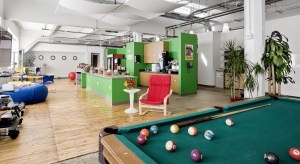
        An ideal company is one that is the best at what they do. THE competition in the industry. A company that appreciates a relaxed atmosphere and creates a co-working space that lends to productivity. A company that values a FUN and memoffice-room-723x396orable experience for their employees every day. I want to work in flexible setting, where everyone is treated equal and as adults. Most importantly, I want the opportunity for growth and self-development. A company with a stable foundation and has plans for its future. One that hires only exceptional people, people who are smarter than them, disciplined and responsible people. They hire people who are enthusiastic about their products and future of the company. Those with self-starter minds that live a healthy and active lifestyle and take care of themselves, those that view their bodies and minds as their biggest investment. Lastly I want to work in a company with a culture and vision that EXCITES me and ignites my passion as a creative leader.
        Finding the right place to take my talent has been tiresome, yet rewarding and refreshing. I’ve compiled 12 factors that should be considered before accepting a new job offer, just remember it isn’t ALL about the money. Finding pleasure in your job, puts perfection in your work.

        12 Factors to Consider Before Accepting Your Next Job

        1. It makes a positive difference. Choose a job that adds value to our world, that leaves it better than you found it, and genuinely helps other people.

        2. You enjoy your co-workers. Given the fact that you will spend a large percentage of your day at work, be sure you enjoy the people around you. It is comforting to know that they support you, cheer for you, and work together as a team.

        3. You feel appreciated and valued. A paycheck is nice, but that goes straight to the bank. On the other hand, appreciation is something you carry in your soul every day. This appreciation can be communicated through respect, unexpected gifts, or just an old-fashioned “thank-you.”

        4. You are trusted. It’s nice to know that somebody isn’t always looking over your shoulder. And when you are given a task, you are given the freedom to complete it. If you’re in a leadership role, make sure your boss trusts you to make the best decisions and values your input.

        5. It is something you love to do.  Make sure this job keeps you motivated by its very nature.

        6. It fits your personality. Anyone who has ever taken a personality test knows we all have unique personalities that thrive in certain environments. Some enjoy working with people, others enjoy completing tasks. Some like making the decisions, others don’t. Find a job that fits your sweet spot.

        7. It challenges you to grow. Look for a job that will make you better, as a matter of fact, the BEST at what you do. Whether through challenging assignments, educational opportunities, demanding excellence, or informal mentors, a job that forces you to grow beyond your current skill set will make you a better person and it, a better company.

        8. The company’s values align with yours. At the end of the day, your integrity is what matters most. Don’t compromise it every time you walk into the workplace. If you are at a job that requires you to suspend your personal convictions, you don’t need to be—nor should you be.

        9. A flexible, results-oriented culture. A culture of flexibility suggests a results-driven focus—one that is more interested in you successfully completing your job with excellence than clocking in a set amount of work hours during a specified time of the day.

        10. It values family. You value your family. Your job should too.

        11. It brings balance to life. Work is not so bad when you love it. But if you are not allowed to explore other endeavors (play/hobbies/family) because of its demands, it is not healthy for your soul, life, or body. Find a job that allows you to enjoy your life outside of work too.

        12. It brings you satisfaction. The ability to look back at your day, your year, or your life with satisfaction is more valuable than any number of digits in the bank. Love your work and company and what it stands for.

        Magazine Industry: Trends and Challenges

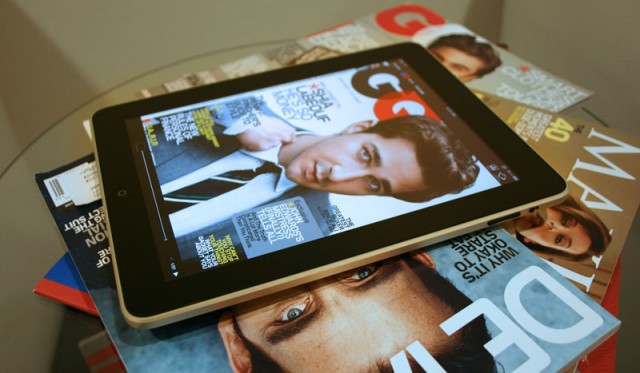
        printvsdigitalHere is a little research for ya! I am personally NOT a data person, but I found this topic to be very interesting. I still hear people say “print is going to die”, and I have also heard, “with the technological advances, who needs print publications anymore?” I’ve always believed that a printed product serves as that tangible “friend” that you just can’t get from a digital form.

        First Research analyzed 32 different data sources, representing 4.5 million privately held businesses and detailed magazine industry financial benchmarks.

        Top Results Included:

        • The US magazine industry is concentrated with 50 companies accounting for 60% of total revenue.
        • Profitability relies heavily on “marketing expertise”.
        • General Interest magazines make up 65 % of revenue.
        • Most companies have outsourced printing due to lower expenses.
        • Digital subscriptions have grown 560% since 2011.
        • Consumer magazine market expected to shrink up to 2017 internationally.
        • Total US consumer spending increased 1.6%, which drives magazine sales.
        • Total US revenue for periodical publishers increased 1.8% (includes magazine industry).
        • ­­Magazines aren’t a “growth industry” but they will remain relevant.

        Industry Trends:

        • Magazine companies are revamping their websites to optimize for mobile devices and social aspects and include more multimedia content.
        • Websites are being updated regularly to remain as up-to-date as possible
        • More magazine publishers might need to allocate more resources to a website redesign specific for mobile and social media users.
        • Multimedia companies are growing
        • Changes in the distribution system
        • Digital editions of magazines as downloadable files rather than websites

        They found that the top industry drivers were energy prices, Technology innovation and government regulation.

        The identified industry challenges were that publications were dependent on advertising sales for revenue, there has been a decrease in paid circulation sales in the past decade, there is little room to negotiate price due to the consolidation of distributors, retailers, ad agencies and suppliers, theres a huge competition with free Internet sources, and the postal rates are steadily increasing.

        All of this research to conclude that the magazine industry is managing to remain relevant and purposeful through the technological challenges and advances in society by finding new distribution channels and better predicting the direction that it must go in the digital world. The industry continues to face multiple challenges, but is skillfully shifting towards the production of digital publications and finding new ways to better integrate within social media, while still sustaining a large part of their print publication sales.

        Branding: The Office of Economic Vitality

        This branding project hit my desk one morning with a pretty tight deadline. I love creating identities, but this one was tough. The challenge here was to brand one of Leon County’s newly established offices with a simple and clean color palette while also sending a clear message of what the office aims to accomplish: Business Growth and Development

        Business growth and development essentially means developing and implementing growth opportunities within and between organizations. In my brainstorming, I wanted something that was informative and represented the services, but sleek and sexy.

        The Office of Economic Vitality’s new logo outlines a key with a skyline silhoutte. This represents that the office has the answers to business growth and is the key to the success of your business. The EV inside the head of the key brings the name back into mind and gives the key a sharp look. The  sans serif font choice adds a clean and sleek look to the text heavy logo. The amount of text is required here because we needed to fully represent each entity that make up the office.

        Creative Business Card Designs

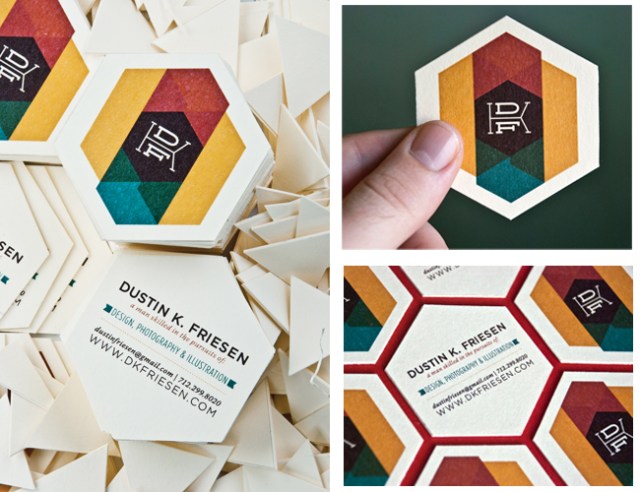
        Great business cards communicate a whole lot of information — both directly and indirectly — about the people and companies they represent. The average person thinks of a business card stating the standard name/address/e-mail/phone data (does anyone use fax anymore?) information. But as a designer, we know creative business card designs convey personality, philosophy, attitude and brand. Along with interesting printing or production techniques, a business card can leave a lasting impression on your company. Here are  few things to consider when designing your next business card.

        friesen_cards

        Sleek and Shapely

        Business cards which are not rectangular in shape or have designs cut in them are made through a technique called die-cutting. The process is simple but will cost a bit more than regularly shaped cards. The process is kind of like a hole puncher one would use on paper to go in ringed binder. A template is made of the required shape which is used for cutting.  Similarly, card exteriors could be cut in any shape as well. This technique are attractive to the eye and are much more dynamic.


        Letterpress Option

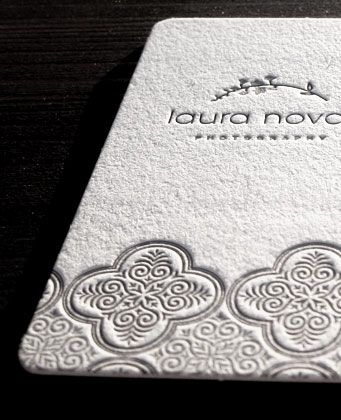
        5a0dd5dac0d7228666aede3a89998befThe letterpress printing technique gives an elegant look to the business card. This is done by pressing the paper through an inked raised surface, this gives the business card color and depth. The letterpress business card combine the craftsmanship of traditional letterpress with the modern ease of digital printing.


        Lift with 3D PrintingLift-it-with-3D

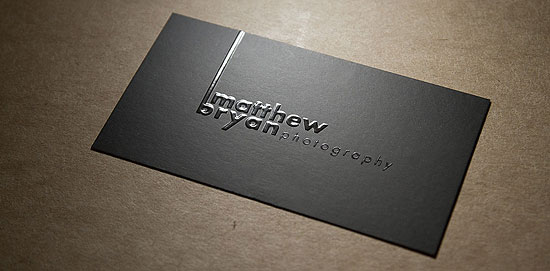
        Using an embossing technique in printing gives your business card a three dimensional effect. There is a certain die used similar to die-cutting, one for pressing the paper, which gives three dimensional, lifted look.


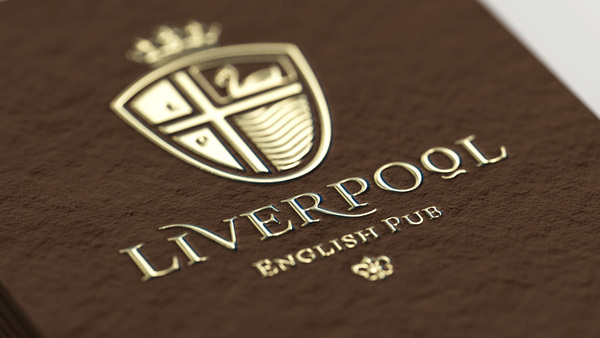
        11-Liverpool-Foil-Business-Cards-aFoil Stamping, Transparent Prints

        You have the option of giving more grace to your business card by applying foil to desired areas. The foil has a shiny look and could be used in cards which have plain solid color. With foil stamping, you get an irresistible focus point, and a unique effect that you simply can’t achieve with metallic inks.


        The Vintage Revival

        The Vintage Revival stemmed from a series of themed events that was promoted with vintage design elements. The month of events ranged from retreats to fitness to barbecues. It was important that the events were obviously a part of the same effort, but also catered to the individuality of the events.

        Why has vintage design become so popular? What elements should be considered when designing for a vintage theme? How difficult is it to make something vintage, but feel modern as well?  What vintage trends should I consider including? These were questions I took into account before putting the designs together.

        Based on my research, this is what I found:

        Badges and Circles

        The badge concept lies at the very heart of most vintage designs. Designers typically shoot for a nice, simple shape that can be stamped anywhere and on anything. Circles are by far the most popular shape for these badges, but you’ll also find plenty of hexagons, shields and diamonds.

        Handrawn Vibes

        The hipster movement embraces all things handmade, therefore vintage designs have a sketchy or hand drawn look that fits really well into this aesthetic. The artistic talent in this category is really impressive. Though vintage collections tend to be quite masculine in appearance, so it’s nice to see designs that push back just a bit on this trend and add complex floral arrangements and beautiful, muted colors.

        Industrialesque

        As we look back at early to mid 20th century design, we see simple designs without gradients, feathered shadows, or three-dimensional  renders, but they still make bold visual statements. The main icons that are used are hammers, axes, wrenches, and factories. Our tech savvy generation is drawn to visuals that remind us of the industrial revolution.

        Featuring Nature

        A lot of vintage design treatments feature animals like deer, moose, elk, etc. If it has antlers, it’s in. This lends to the overall outdoorsy trend in vintage designs (featuring mountains, trees, tents, etc.). Also, nautical themes are extremely popular, such as anchors, fish, and ropes.

        A PhotoLogo

        When we look back at how vintage logos were displayed ten years ago, we would typically see a solid background or maybe a gradient. The bright, colorful and complex Internet logos of the time looked too busy for anything else. In today’s age of design, our monotone, hipster logos are very simple. But look fantastic when simply overlaid on top of a great photograph.

        Simple Line Art

        Design trends change how we create vintage graphics. Now that flat design is trending, vintage design often feature thin lines and simplified illustrations.

        With all of this in mind, I developed a series of promotional fliers that consistently represented the theme, while appealing to the modern eye. Vintage design trends are continuously developing. Take inspiration from different designs, color choices and create something beautiful.